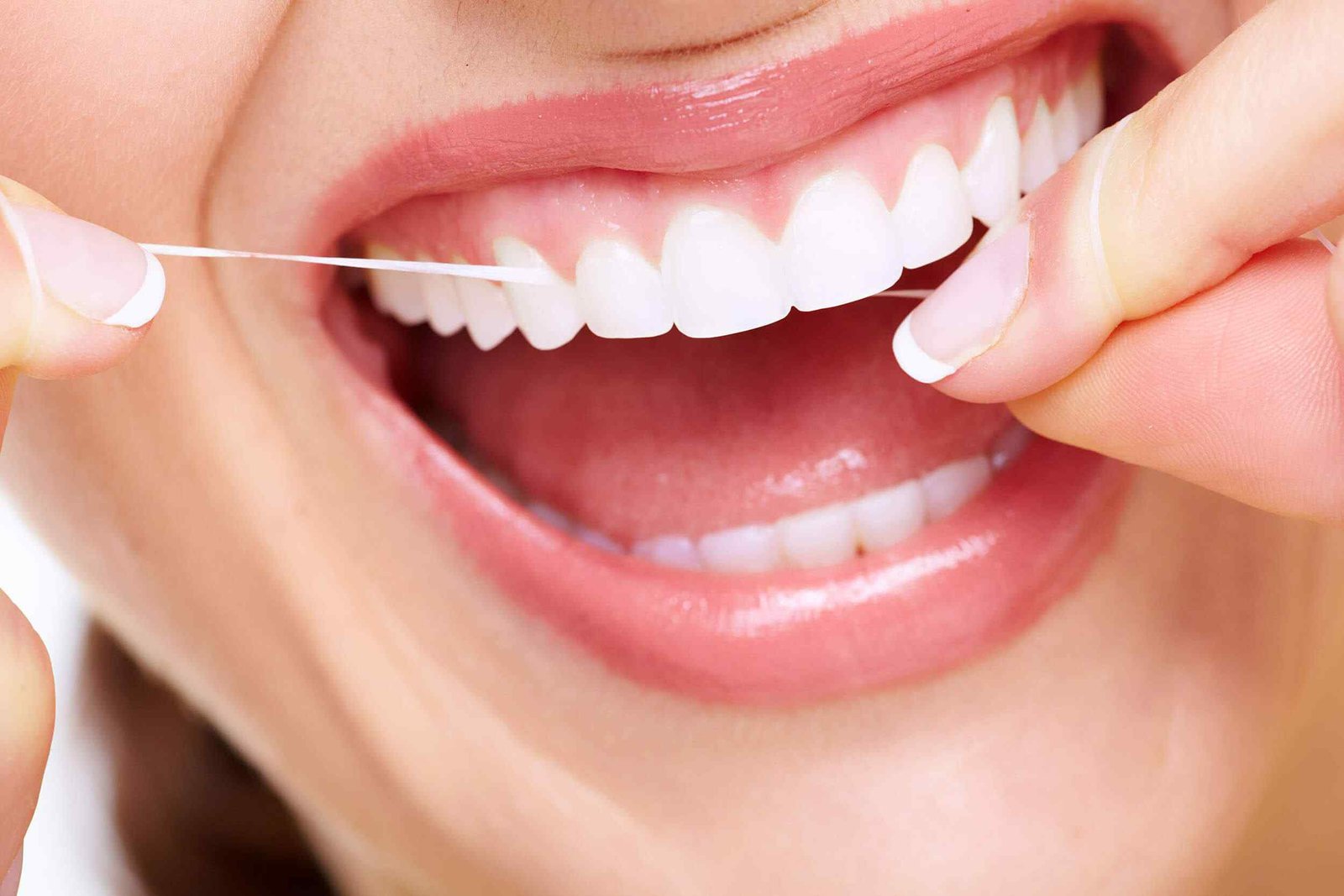
Brushing your teeth may keep your heart healthy

The bacteria in our mouths may hold the key to many facets of our health.

Researchers have found intriguing clues about pancreatic and esophageal cancer risk in mouth bacteria, and some studies have linked poor oral hygiene with respiratory problems.

Mounting evidence is also strengthening the link between oral health and cardiovascular health.

For instance, some studies have found oral bacteria in the blood clots of people receiving emergency treatment for stroke, and experts have linked severe gum disease with a significantly higher risk of hypertension.

Conversely, destroying “friendly” oral bacteria that help maintain a healthy and balanced oral microbiome could disrupt blood pressure levels and also lead to hypertension.

Maintaining good oral health, therefore, seems to be key to cardiovascular health.

Now, a new study that appears in the European Journal of Preventive Cardiology suggests that regular toothbrushing may keep heart failure and atrial fibrillation (A-fib) — a type of arrhythmia — at bay.

Dr. Tae-Jin Song of Ewha Womans University in Seoul, Korea, is the senior author of the new study.

In their paper, Dr. Song and team explain that the motivation for the study hinges on the mediating role of inflammation. They write, “Poor oral hygiene can provoke transient bacteremia and systemic inflammation, a mediator of atrial fibrillation and heart failure.”

Studying A-fib, heart failure, and oral hygiene

In their study, Dr. Song and team examined atrial fibrillation’s associations with both heart failure and poor oral hygiene. They used data from 161,286 people who were part of the Korean National Health Insurance System-Health Screening Cohort.

A-fib is a condition affecting at least 2.7 million people in the United States. In people with A-fib, the heart cannot efficiently pump blood to the rest of the body because it does not beat regularly.

The heart also does not pump blood as it should in people with heart failure. This inefficiency results in fatigue and, sometimes, breathing difficulties, as insufficient oxygen reaches the other organs in the body.

The participants of the current study were 40–79 years old and had no history of either A-fib or heart failure. During enrollment, which took place between 2003 and 2004, the team measured the height and weight of each of the participants and asked them questions about their lifestyle, oral health, and oral hygiene habits.

The participants also underwent some laboratory tests, which included blood tests, urine tests, and blood pressure readings.

Brushing lowers heart failure risk by 12%

Over a median follow-up period of 10.5 years, 4,911 participants received a diagnosis of A-fib, and 7,971 developed heart failure.

Brushing the teeth three times or more a day was linked with a 10% lower chance of developing A-fib and a 12% lower risk of heart failure.

Confounding factors — including age, sex, socioeconomic status, physical activity, alcohol intake, body mass index, and other coexisting conditions, such as hypertension — did not influence these results, as the researchers accounted for them in their analysis.

The authors conclude:

Improved oral hygiene care was associated with decreased risk of atrial fibrillation and heart failure. Healthier oral hygiene by frequent toothbrushing and professional dental cleanings may reduce risk of atrial fibrillation and heart failure.


Health benefits of baking soda and lemon juice

Several scientific studies have examined the health benefits of baking soda and lemon juice separately, but there is not much research to support the combined effects of these two ingredients.

This article discusses some of the potential health benefits of consuming baking soda and lemon juice mixtures.

A note about pH

The idea of combining baking soda and lemon juice draws on basic principles of acidity and the pH scale.

Scientists use the pH scale to measure the acidity of a solution. A solution can have a pH level between 0 and 14.

The lower the pH, the more acidic the solution, so:

  • pH levels below 7 indicate an acidic solution
  • pH levels above 7 indicate an alkaline, or base solution
  • neutral solutions, such as pure water, have a pH of 7

Baking soda, also known as sodium bicarbonate, is a base. This means that when people dissolve baking soda in water, it forms an alkaline solution. For example, a 0.1 molar solution of baking soda has a pH of around 8.3.

Lemon juice contains citric acid and has a pH of around 3. Adding baking soda to lemon juice will raise the pH to produce a more neutral solution.

Skin care

Usually, the skin has a weakly acidic pH of about 5.7. Bases, such as baking soda, will increase the pH of the skin. Higher pH levels can disrupt the barrier function of the skin, which may lead to dryness, excess oil production, and acne.

Lemon juice appears to have obvious skincare applications because it contains concentrations of vitamin C and citric acid, which both provide powerful skin benefits. Citric acid is an alpha-hydroxy acid (AHA) that manufacturers commonly use in chemical peels.

However, skin cells naturally repel water-soluble molecules, such as vitamin C. This means that very little vitamin C will actually penetrate the skin.

The high acid content of lemon juice can lower the pH level of the skin. Low pH levels may cause skin irritation, hyperpigmentation, and UV light sensitivity.

Alternatives

Using a homemade mixture of baking soda and lemon juice may potentially be harmful to the skin. Instead, a person can try using neutral cleansers or chemical peels that contain AHAs, such as glycolic acid.

Neutralizing stomach acid

Excess stomach acid can cause uncomfortable symptoms, such as heartburn, vomiting, and indigestion.

Many people with excess stomach acid take over-the-counter (OTC) antacids to relieve their symptoms. Consuming baking soda and lemon juice together may also neutralize stomach acid in a similar fashion as an antacid.

A 2017 study examined the antacid effects of various foods. The authors of this study created artificial stomach acid with a pH of 1.2. Although lemon juice by itself had almost no effect, sodium bicarbonate successfully neutralized the synthetic stomach acid.

Many OTC antacids contain sodium bicarbonate and citric acid. Lemons and other citrus fruits are rich sources of naturally-occurring citric acid.

When a person mixes lemon juice and baking soda, the citric acid reacts with the sodium bicarbonate to produce a buffer called sodium citrate. A buffer refers to a weak acid or base that prevents drastic pH changes. Although lemon juice does not neutralize stomach acid, it may help stabilize the pH level inside the stomach.

Alternatives

Using baking soda and lemon juice to combat excess stomach acid may be a good home remedy, as effective OTC antacids contain similar ingredients.

However, mixing the correct proportions of baking soda and lemon juice can be difficult.

Consuming a mixture with too much baking soda may cause diarrhea and gas, whereas too much lemon juice could trigger acid reflux and make symptoms worse. Purchasing an antacid at the drug store is often much safer.

Other home remedies for reducing excess stomach acid include:

  • avoiding or reducing acidic foods and beverages
  • limiting caffeine intake
  • limiting alcohol consumption
  • eating smaller meals
  • drinking more water
  • getting enough sleep

People with severe or persistent acid reflux or heartburn should speak to a doctor or gastroenterologist.

Xylitol: Uses, effects, and possible benefits

Xylitol is a sugar alcohol, which is a type of carbohydrate and does not actually contain alcohol. Xylitol occurs naturally in small amounts in fibrous fruits and vegetables, trees, corncobs, and even the human body.

Manufacturers use xylitol as a sugar substitute because its sweetness is comparable with that of table sugar but with fewer calories.

Xylitol is a common ingredient in many products, from sugar-free chewing gum to toothpaste. People also use xylitol as a table-top sweetener and in baking.

In this article, we look at the uses and potential health benefits of xylitol. We also cover its side effects, drug interactions, dosage, and alternatives.

Uses

Xylitol has a similar level of sweetness to sugar but with a fraction of the calories. It is a popular ingredient in a variety of products, including sugar-free gum and toothpaste.

Manufacturers add xylitol to a range of foods, including:

  • sugar-free candies, such as gum, mints, and gummies
  • jams and jellies
  • honey
  • nut butters, including peanut butter
  • yogurt

Xylitol is also an ingredient in some dental care products, including:

  • toothpaste
  • mouthwash
  • other fluoride products

Xylitol sweeteners are available to purchase online.

Potential benefits

Xylitol has several potential health benefits, including:

Low glycemic index

Xylitol has a low glycemic index (GI). This means that consuming it does not cause spikes in blood glucose or insulin levels in the body. For this reason, xylitol is a good sugar substitute for people with diabetes.

Due to its low GI, xylitol is also a weight loss-friendly sugar substitute.

Also, a 2015 study revealed that xylitol had significant blood glucose-lowering effects in rats that ate high-fat diets.

Dental health

Xylitol is an ingredient in many dental hygiene products, including toothpaste and mouthwash. This is due to the fact that xylitol is non-fermentable, which means that the bacteria in the mouth cannot convert it into the harmful acid that causes tooth decay.

The oral bacterium Streptococcus mutans is largely responsible for plaque, which is the sticky, white substance that can accumulate on the outside of a person’s teeth.

Plaque binds lactic acid against the surface of the tooth. This acid breaks down the enamel and leads to tooth decay.

While it is normal for people to have some plaque on their teeth, excess amounts can lead to tooth decay, cavities, and gum disease.

A 2017 systematic review suggests that xylitol reduces the amount of S. mutans bacteria in the mouth, which reduces the amount of plaque and may help prevent tooth decay.

A 2014 study examined the effects of xylitol on Porphyromonas gingivalis, which is the bacterium responsible for gingivitis, or gum disease. If left untreated, excess amounts of P. gingivalis can move into the bloodstream and lead to systemic inflammation.

In the study, scientists grew samples of P. gingivalis in a laboratory and added them to human cell cultures pretreated with xylitol. They saw that xylitol increased the production of immune system proteins and inhibited the growth of the bacteria.

Side effects and safety

The United States Food and Drug Administration (FDA) have approved xylitol as a food additive. Xylitol is generally safe, but like other sugar alcohols, it can cause digestive issues such as bloating and diarrhea in some people.

It is worth noting that xylitol can be very toxic to dogs. It is vital to store products containing xylitol in a safe place that pets cannot reach. Anyone who thinks that their dog has consumed xylitol should call their veterinarian or the Animal Poison Control Center immediately.